If you found your name on PersonSearchers and want it gone, here’s the real process, free, no account needed, verified directly against PersonSearchers’s own site.
PersonSearchers runs the same removal platform as SealedRecords.com, which hosts its own separate copy of the form. A removal on one site does not clear the other, so if you are listed on both, submit a request on each.
How to Opt Out of PersonSearchers
Step 1
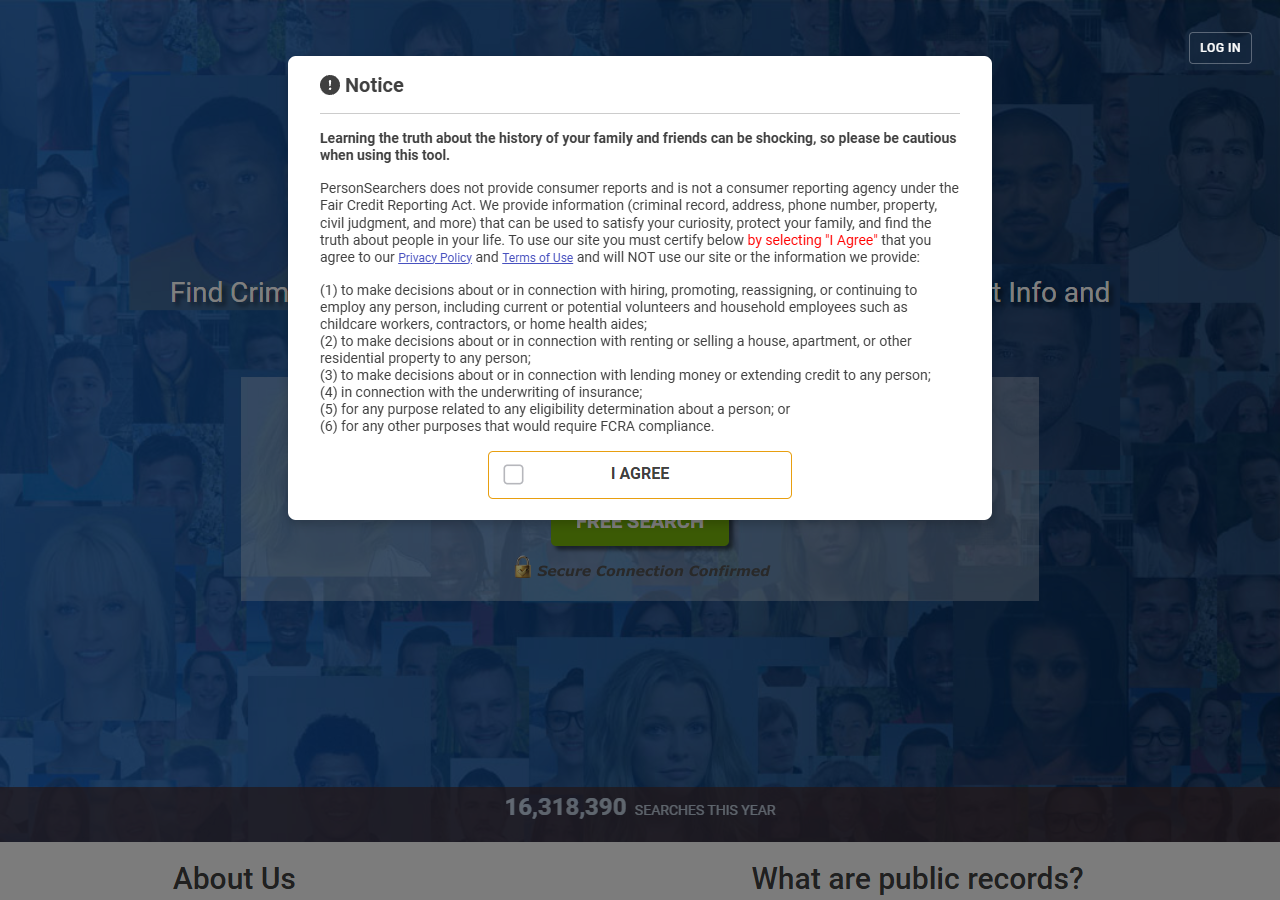
Go to PersonSearchers’ “Remove My Information” page.

Step 2
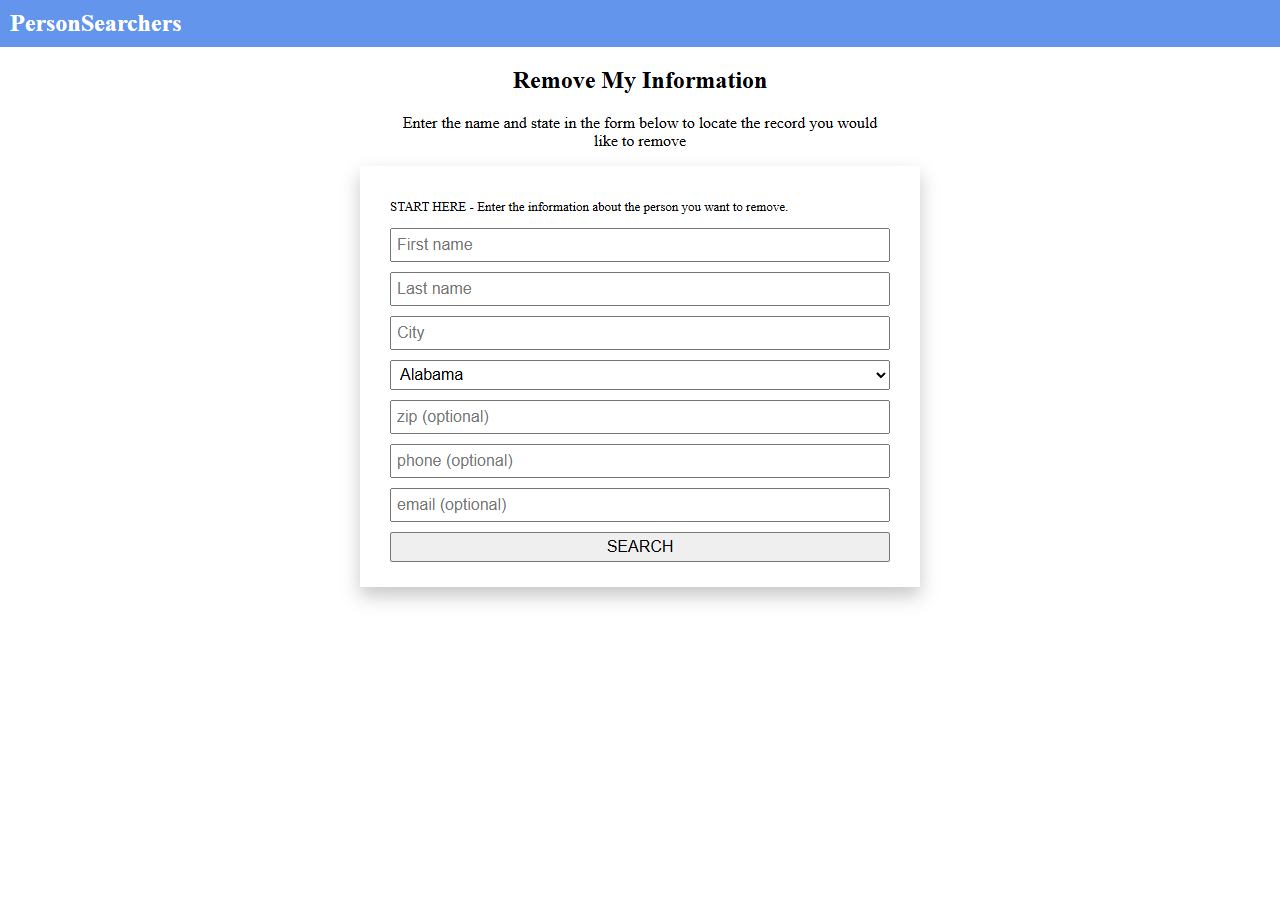
Enter your first name, last name, and state to locate your record (city, zip, phone, and email are optional).
Step 3
Submit the search and follow the removal prompt for your matching record, then confirm via the verification email PersonSearchers sends.
Frequently Asked Questions
Why is my information on PersonSearchers?
PersonSearchers is a data broker, it compiles information like contact info, public records from public records and other sources and makes it searchable. This is generally legal in the US; data brokers aren’t required to get your permission before listing publicly available information. That doesn’t mean you have to leave it there.
Does PersonSearchers require a CAPTCHA or account to opt out?
No CAPTCHA is required for this opt-out. No account or sign-up is required to submit a removal request.
Will I get a confirmation?
Yes, PersonSearchers sends a confirmation email; you need to click the link in it to finish the removal.
How long does removal take?
PersonSearchers does not state a specific processing timeframe. It’s worth checking back after a week or two to confirm your listing is gone.
Is this a one-time fix?
No. Data brokers continually re-collect public records, so listings can reappear over months. Repeating this process periodically, or using an automated removal service that monitors and re-submits on your behalf, is the only way to keep it off long-term.
Prefer not to do this manually for every broker? Services like Incogni, DeleteMe, and Optery automate this same process across hundreds of data brokers and re-check periodically. We compare them honestly in our Comparisons
section, but the free method above works just as well if you’re only dealing with a handful of sites.